
UK Unemployment Rises as Wage Growth Slows in September.
Labor Market Overview
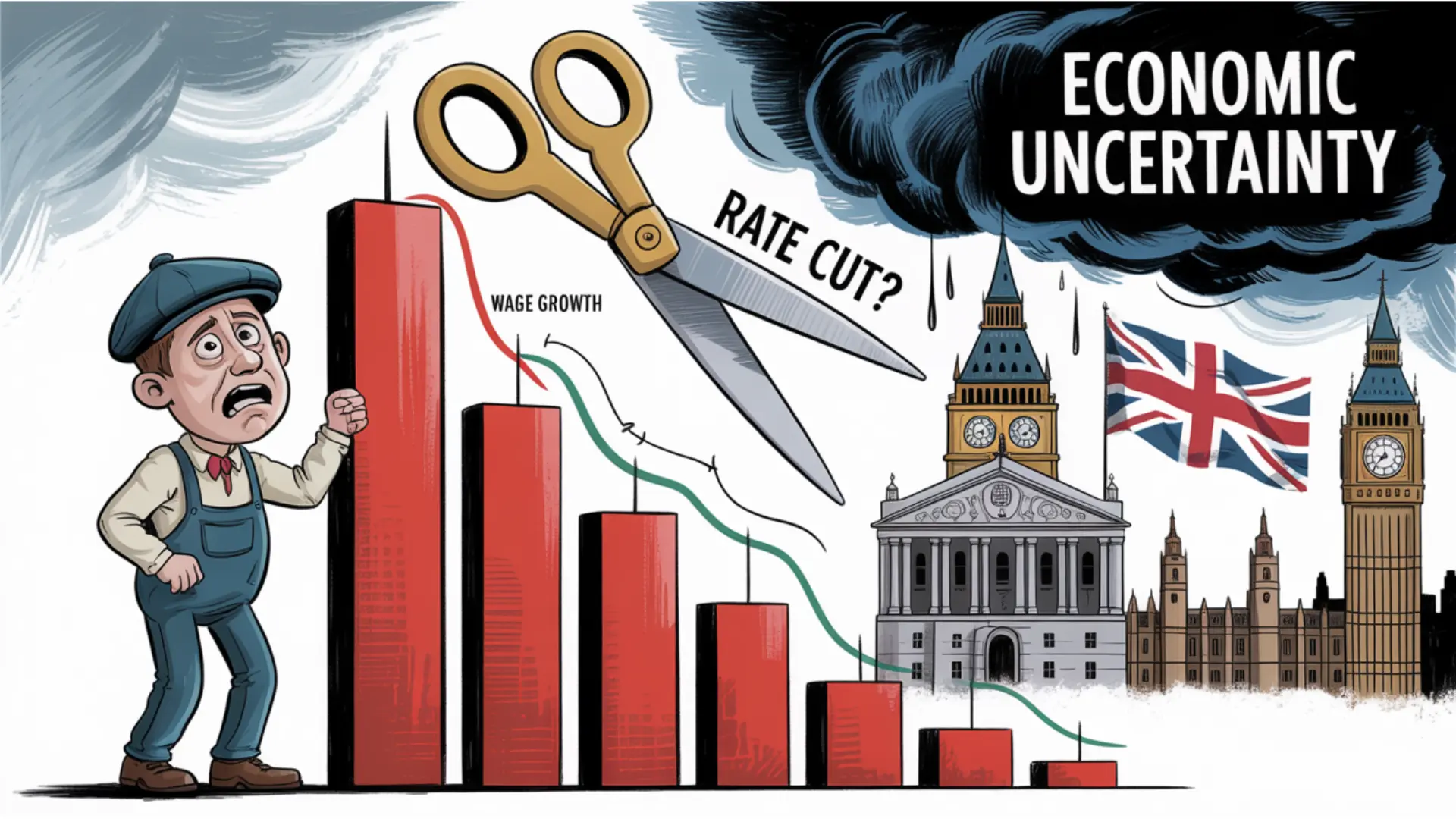
UK unemployment ticked higher in September while wage growth showed further signs of easing, adding weight to expectations that the Bank of England (BoE) could consider a rate cut before year-end. The latest data from the Office for National Statistics (ONS) revealed that the jobless rate rose to 5.0% in the three months to September, up from 4.8% previously and above market forecasts.
At the same time, average earnings excluding bonuses increased 4.6% year-on-year, slightly below August’s 4.7%, marking a continued slowdown from the robust wage growth seen earlier this year. The combination of rising unemployment and moderating pay pressures suggests the UK labor market is cooling, giving the BoE more flexibility to shift toward a less restrictive policy stance.
Policy and Inflation Dynamics
The BoE has been closely watching the labor market for signs that inflationary pressures are easing. Headline inflation stood at 3.8% in September, still well above the central bank’s 2% target, but on a downward trajectory as energy prices stabilize and supply bottlenecks ease.
At its last policy meeting, the BoE held its Bank Rate at 4.00%, though four of nine policymakers voted for a 25-basis-point cut—the first sign of a dovish tilt since the tightening cycle began in 2021. Markets are now pricing in a potential rate reduction at the BoE’s December meeting, contingent on further softening in employment and inflation data.
Economists note that the balance between wage restraint and job losses will be critical. “The BoE will want to see more convincing evidence that pay pressures are cooling sustainably before acting,” one analyst said. “But today’s data certainly strengthens the case for a December rate move.”
Fiscal and Political Backdrop
The government’s fiscal position adds another layer of complexity. Chancellor Rachel Reeves has hinted that the Labour government may revisit its stance on tax increases ahead of a “difficult” budget due on November 26, acknowledging the economic drag from current fiscal constraints.
Meanwhile, a survey by the Chartered Institute of Personnel and Development (CIPD) showed that UK employers expect to raise wages by just 3% over the next year, with hiring plans—particularly in the public sector—falling to post-pandemic lows. Businesses cited tax policy uncertainty and sluggish demand as key reasons for pulling back on recruitment.
Market Reaction and Outlook
The pound remained under modest pressure following the release, with traders increasingly betting on BoE rate cuts in early 2025. UK gilt yields fell slightly, reflecting expectations of looser policy conditions, while FTSE 100 futures edged higher amid hopes that lower borrowing costs could support corporate earnings.
Market participants will now focus on upcoming October inflation data and BoE speeches for confirmation that the rate-cut narrative is gaining traction. If wage growth continues to moderate and unemployment rises further, policymakers may be compelled to act sooner than previously anticipated.
Summary
The latest UK labor market data signal a turning point in the post-pandemic cycle: unemployment is rising, wage pressures are easing, and inflation is cooling—a mix that could open the door for the BoE’s first rate cut in over two years. While inflation remains above target, the shift in labor dynamics strengthens the argument for a more accommodative stance. Traders will be watching closely to see if December brings the first move toward monetary easing in the UK’s long fight against inflation.
FAQs: UK Labor Market and Bank of England Outlook
1. Why is UK unemployment rising?
Unemployment has increased to 5.0% as hiring activity slows, particularly in the public sector and consumer-facing industries. Businesses are becoming more cautious amid weaker demand and tighter government fiscal policies.
2. What does slower wage growth mean for inflation?
Easing wage growth helps reduce domestic inflation pressures by limiting upward cost pressures on goods and services. This development supports the Bank of England’s case for future rate cuts.
3. Could the Bank of England cut interest rates in December?
Yes, it’s possible. With unemployment up and wage growth cooling, the BoE may see room to begin easing policy as early as its December meeting—especially if inflation continues to trend lower.
4. How might this affect the British pound and markets?
Expectations of rate cuts tend to weaken the pound (GBP) while supporting equities and bonds. Lower borrowing costs could lift corporate profits but might also signal a slowing economy.
5. What should investors watch next?
Key indicators to monitor include October CPI inflation, BoE Governor speeches, and wage data through Q4 2025. Any signs of accelerating inflation or stronger wages could delay rate-cut expectations.