Weekly Focus: Fed Set for First Rate Cut of the Year.
Weekly Focus: Path Set for U.S. Rate Cut.
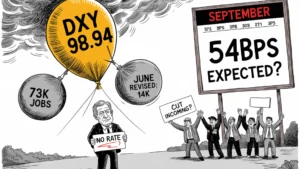
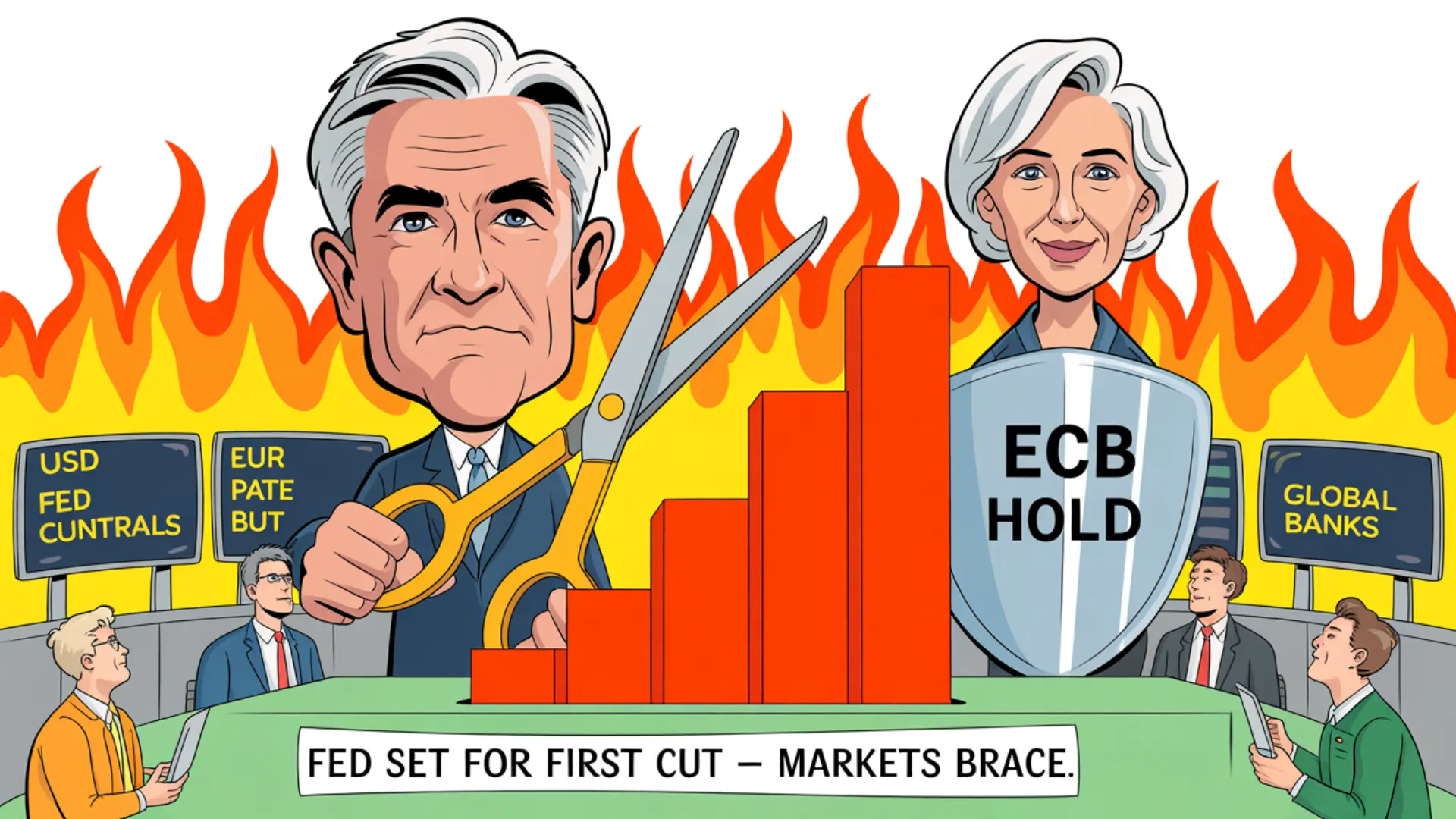
The Federal Reserve appears ready to deliver its first rate cut of the year on Wednesday, ending a pause that has lasted since December. The final major data release before the meeting showed CPI inflation at 0.4% m/m—above expectations and still distant from the Fed’s target. However, market focus has shifted more toward labor market weakness, highlighted by a negative surprise in initial jobless claims, which spiked to 263,000 in early September, the highest since 2021. Even before this release, a September cut was fully priced in, and expectations for two more reductions this year are gaining traction.
Still, most labor market indicators suggest low job growth stems more from limited labor force expansion than collapsing demand, with the jobless claims data potentially distorted by one-off factors—half the increase was driven by Texas alone. With inflation still elevated and tariffs yet to bite consumer prices, the Fed may prefer a cautious pace after next week’s move, despite political pressure from the Trump administration for faster cuts.
In contrast, the ECB signaled an end to its easing cycle, despite forecasts showing inflation below 2% through 2027. President Lagarde downplayed the projections, attributing weak inflation to a stronger euro. Political turbulence in France, where Prime Minister Attal lost a confidence vote and Sébastien Lecornu was appointed as his successor, had little market impact given recent French bond weakness.
While the Fed’s decision dominates attention, several other central banks will also shape the week. The Bank of England is expected to hold rates steady, though upcoming labor and inflation data could prove pivotal. The Bank of Japan is also likely to remain on hold, yet speculation of a rate hike persists amid political uncertainty. Norges Bank is anticipated to cut, while China’s monthly economic releases—especially retail sales and housing—will provide further insight into global growth dynamics.